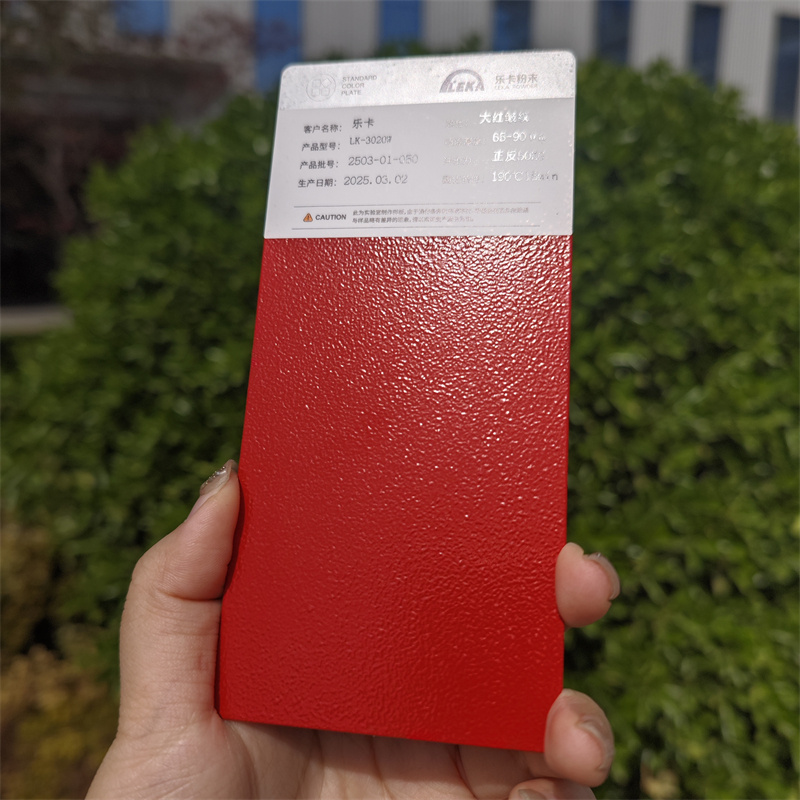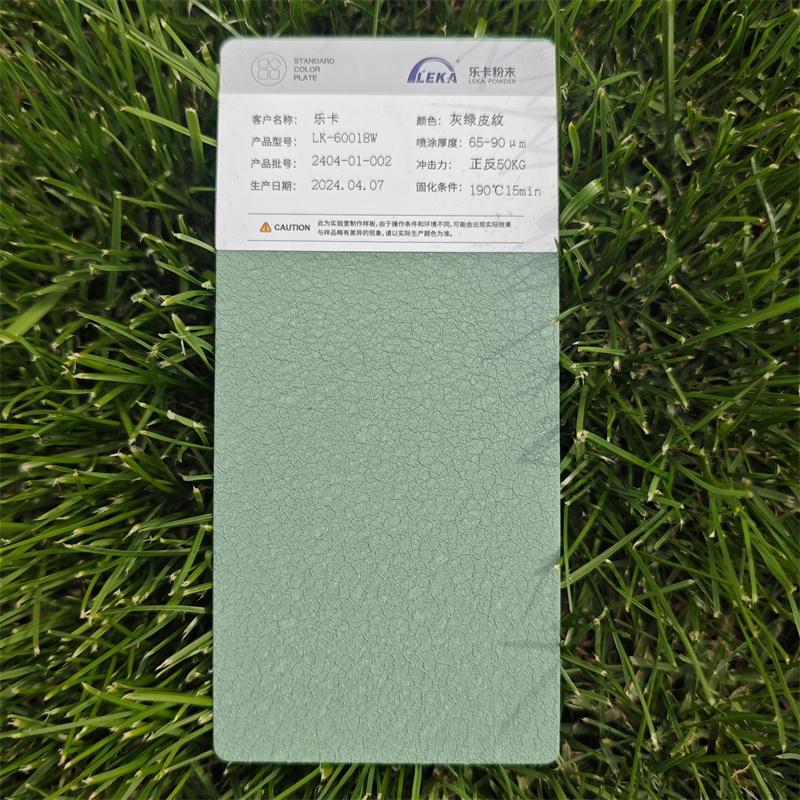
Nightlight powder coating, also known as self-luminous powder coating or luminescent powder coating, is a type of functional thermosetting powder coating that absorbs light energy during the day or under the influence of light sources, and continues to emit light in dark environments.
The luminescence principle of night glow powder coatings
The core of the luminous powder coating lies in the addition of luminous pigments (luminescent materials)
- Absorption stage
When exposed to sunlight, light, or ultraviolet light, the luminous pigment absorbs and stores energy.
- Luminous stage
In the dark environment, the pigments slowly release energy and present a luminous effect in the form of visible light.
The main components of the luminous powder coating
- Resin system
Polyester type (outdoor weather-resistant)
Epoxy type (for interior decoration and signage)
Epoxy polyester type
- Glow in the dark pigment
- Curing agent
- Leveling agents, stabilizers, and other additives
The core features of the luminous powder coating
- No power required, it emits light naturally
- Environmentally friendly without VOC (volatile organic compounds), and in compliance with RoHS requirements
- Safe and reliable, without radiation.
- Compatible with electrostatic spraying process
- Colors, lusters and textures can be customized
The application scenarios of luminous powder coatings
- Emergency exit signs, fire-fighting equipment
- Factory passageways, stair railings, and crash barriers
- Subway, tunnel, underground parking lot
- Public building signboards
- Safety warning areas for industrial equipment
- Furniture, decorative items, artworks
Construction and Usage Precautions
- The recommended film thickness for the luminous powder coating should be moderate (typically ≥ 70 μm)
- Avoid pairing with dark substrates directly. You can use white or light-colored primers to enhance the brightness
- The curing temperature must be strictly controlled to prevent the loss of luminescent pigment's luminosity due to heat
- The luminous effect gradually weakens over time, which is a normal physical phenomenon
- https://www.lekamaterial.com/https://www.chinacoatingnet.com/